Pre-launch early access
A simpler way
to earn onchain.
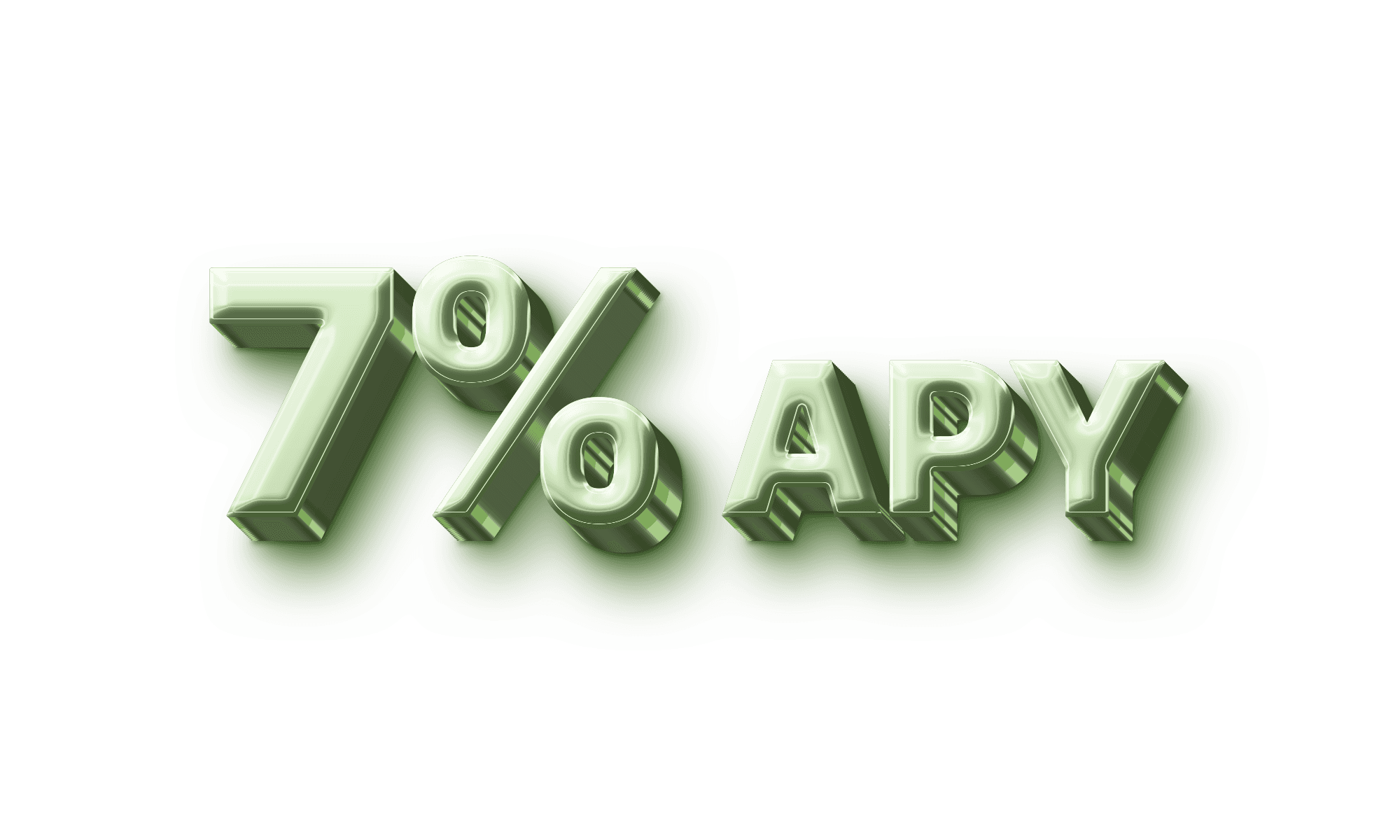
Earn up to
No minimum required.
Withdraw anytime.No minimum required. Withdraw anytime.
Rate varies.
APY is what you would earn in one year at today’s rate. The rate moves with demand for loans.
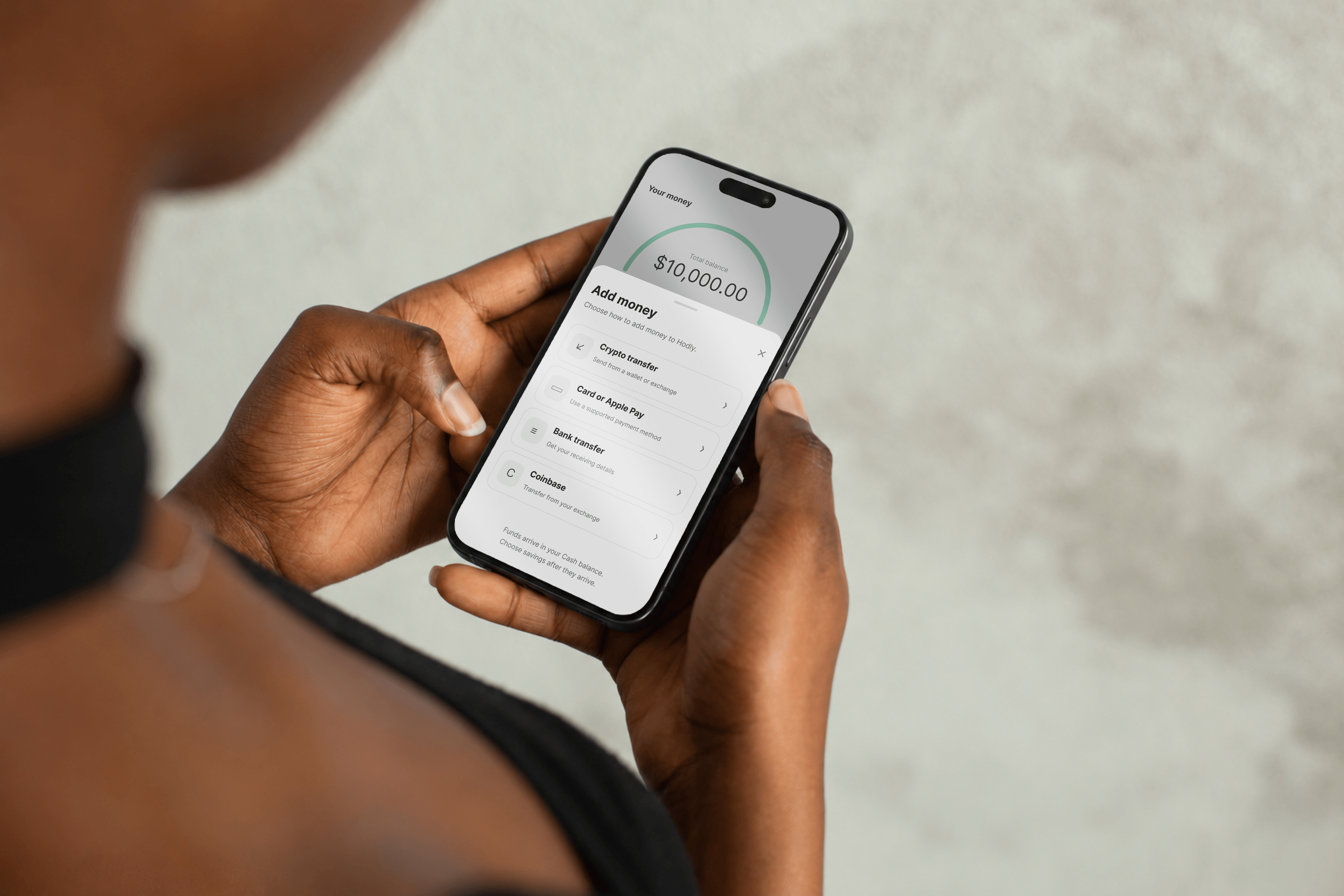
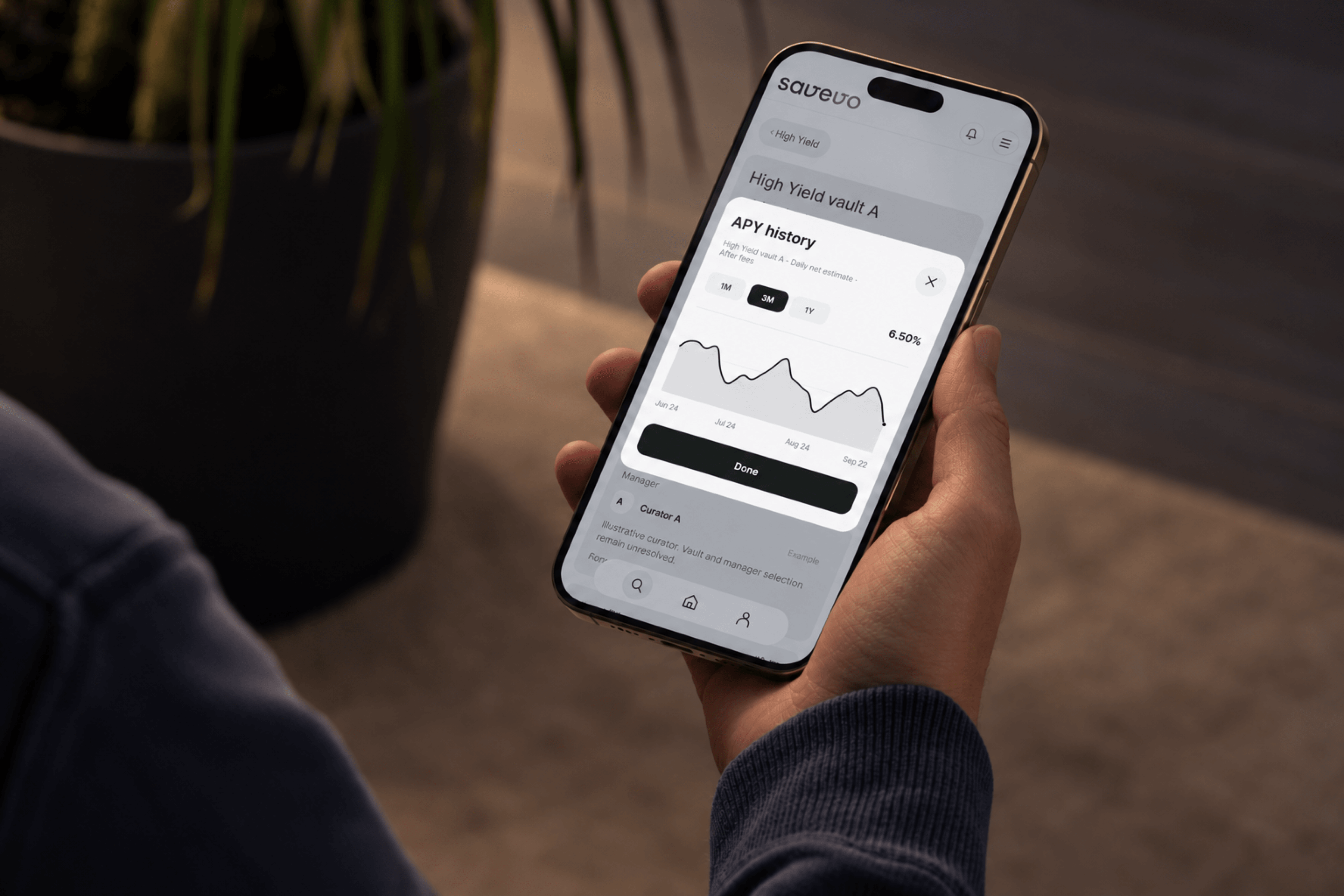
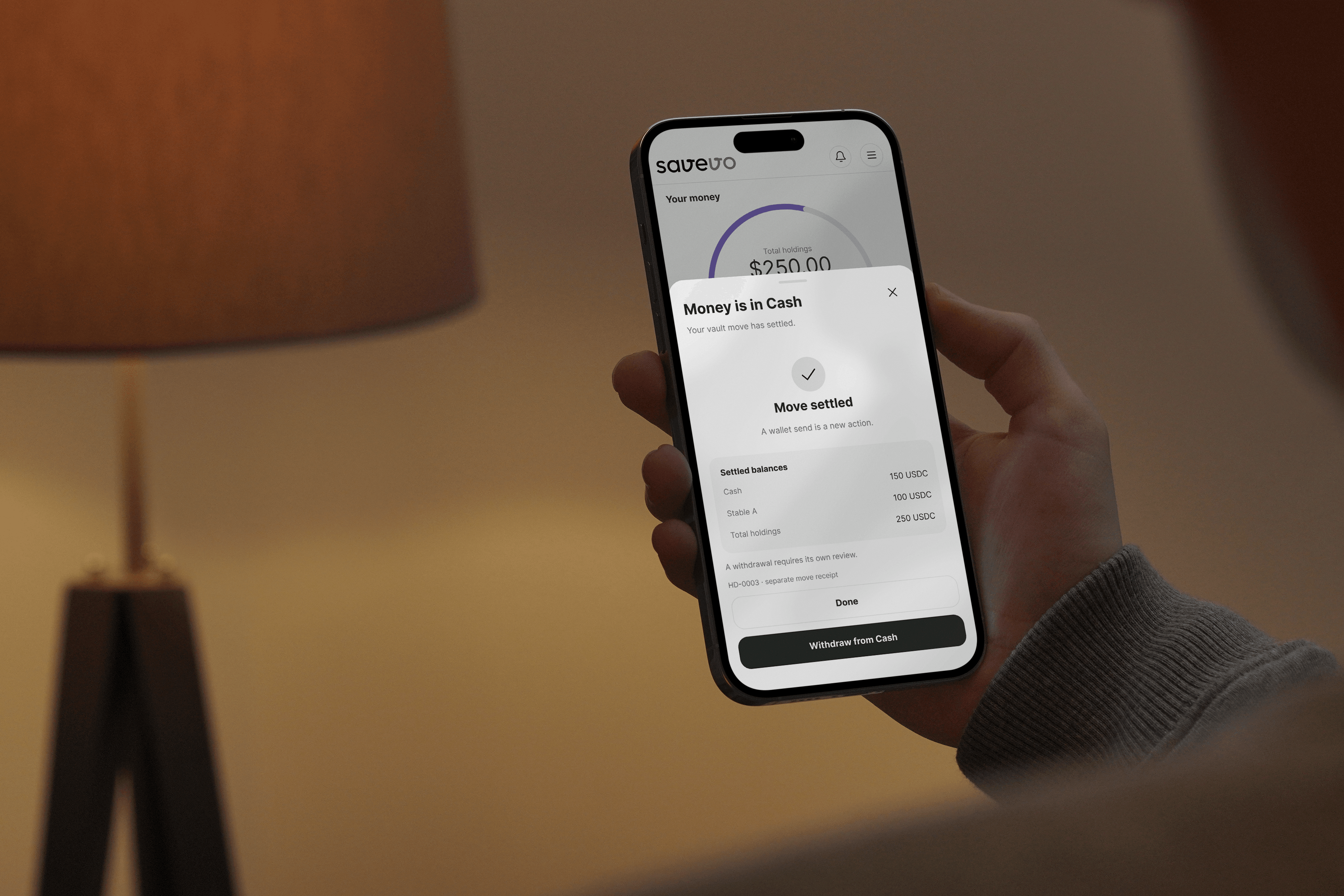
Familiar steps.
New possibilities.
Transfer stablecoins or buy them with cash, right from the app.

How it works
Put your money
to work.
Earn interest across onchain lending markets. SaveVo takes care of the conversions and transactions for you.
 USD cash
 USDC
Tap the wallet, the vault or the markets to see what happens there.
- USD cash
- USDC
Automated safeguard
Borrowers put up
more than they borrow.
Example
A borrower locks up assets worth $150 to borrow $100. The extra $50 creates a buffer for lenders.
If the collateral’s value falls below a preset threshold, it can be liquidated automatically to help repay the loan.
They put up
They borrow
Example liquidation threshold · $100
Each loan is backed by assets worth more than the amount borrowed, creating a buffer for lenders.
If those assets fall below a preset value threshold, they can be liquidated automatically to help repay the loan.
A sharp price drop can outpace liquidation, so these safeguards reduce risk but cannot guarantee full repayment.
Simplified illustration. Actual liquidation thresholds vary by market. The real loans are public at morpho.org.
Security
What a breach can and can’t do.
Most bank breaches come through one shared system — a vendor, a staff login, a central database. SaveVo has no central pot to reach: your money lives in a wallet only your key can open.
Shared bank records
If someone gains access to a shared bank database, they may see records for many customers at once.
Individual SaveVo wallets
If someone steals a wallet key, that key can authorize transfers only from the wallet it controls.
Ask SaveVo
What would you like to know?
Tap a question or type your own. Answers come from what SaveVo has published, in plain words, and say so when something is not decided yet.
Read all the answers as text
- Is this legal?
- SaveVo never holds your money, so it is not a bank and is not treated like one. Your money sits on the blockchain in a wallet only you can open; SaveVo is the gate, you are the key. US guidance treats software that never controls your funds differently from a business that holds and moves money. The interest comes from borrowers in a lending market, not from the company that issues the digital dollar, which the law does not allow. A lawyer reviews everything before SaveVo takes real money.
- Is my money safe?
- Your money sits in a wallet only you can open. SaveVo never holds it, and no one, SaveVo included, holds your complete key; the wallet is built by Privy, a Stripe company. A bank keeps its customers’ records in one shared database, so someone who gets in may see many customers’ records at once. Here each wallet is its own lock: a stolen wallet key can authorize transfers only from the wallet it controls, and your login has a second check (2FA), so the thing to protect is your phone and email. Lose your phone and you sign in with the same email on a new one, then confirm with your passkey or authenticator code; a withdrawal asks for that check even in a signed-in browser. The lending side has its own protections, under “What if I lose money?”, and every move is on the blockchain for you to check.
- Is my money insured?
- Your money sits in your own wallet and in a public lending market you can check yourself. If a borrower fails, they put up more than they borrowed and that is sold first to pay lenders back. On top of that, SaveVo backs deposits one for one with its own assets, up to a limit it will publish before launch. Banks use FDIC for this; SaveVo uses collateral, transparency and its own backing instead, and says so up front.
- What if I lose money?
- Borrowers put up more than they borrow, and that collateral is sold automatically to pay lenders back; that is the first layer. It may not cover a very fast price drop, a stablecoin losing its peg or a bug in the software, and a mistake onchain cannot be undone. So SaveVo backs deposits one for one with its own assets, up to a limit that will be published before launch; beyond that limit you can lose money, including what you put in. Banks use FDIC for this; SaveVo uses collateral, a large reviewed market and its own backing, and says so up front.
- Where do the earnings come from?
- Your USDC goes into an earning vault, and the vault lends it in Morpho, one of the largest onchain lending markets. Borrowers put up more than they borrow, like a home-equity loan, and pay interest; that interest flows back to the vault and to you. The rate moves with demand for loans, so it can fall, and software can fail or a stablecoin can lose its peg. SaveVo is not a bank. The market is public, so you can see the loans at morpho.org at any time.
- What will $500 earn?
- Put $500 in and it is lent out the same day; at 5% a year that is about $25 after one year, at 7% about $35, against about $2 in a typical US savings account. Those are example rates: the real rate moves with demand for loans and is not promised. With inflation near 3%, money in a typical savings account buys less each year; the example rates stay ahead of it. No monthly fees: SaveVo earns a share of the vault’s profit, not a fee from you. The vault’s rate history is public on morpho.org.
- Do I need to know crypto?
- You add dollars by card, bank or a USDC transfer, choose a strategy and confirm; SaveVo handles the onchain steps and the wallet stays yours. The two words you will meet are USDC, a digital dollar meant to always be worth one dollar, and vault, the lending pool your dollars go into. Everything else is explained on the screen where it appears, in plain words. If a step still feels unclear, ask here or email hello@savevo.app.
- How is this different from a bank?
- A bank takes your deposit, lends it out and keeps most of the interest; as of late 2026 a typical US savings account pays about 0.4% a year, the best online accounts about 3 to 4%, and CDs lock your money for months. SaveVo keeps your dollars in a wallet that stays yours and lends them in a public market where you see the rate and the loans, with no lock-up. The rate moves and is not promised. Banks have FDIC; SaveVo has collateral, transparency and its own one-for-one backing up to a limit.
- Is it free? How does SaveVo make money?
- SaveVo is free to use, with no minimum planned. It earns a commission, a share of the vault’s profit, together with the firms that run the vault, so it earns only while your money is in the app and earning. That is why it wants the app to be safe and easy to stay in. Exact fees and payment partners are not final yet and will be shown before SaveVo takes real money.
- When can I withdraw?
- You take your money and interest out together, any time, with no lock-up. It reaches your wallet right away when the vault has liquidity, which is the normal case; when many people withdraw at once it can take about a day. From the wallet, cash-out to a bank takes one to three business days. You can see the vault’s liquidity on Morpho yourself.
- What if SaveVo shuts down?
- The wallet is yours, made with Privy, a Stripe company, and no one, SaveVo included, holds your complete key. If SaveVo disappeared tomorrow you would open the same wallet with your login in another wallet app and take your money out. SaveVo cannot lock you out or freeze anything. Every move is on the blockchain, so you can check it without us.
- Who is behind SaveVo?
- SaveVo is built by Hodler LLC in the US; its founder has worked in crypto since 2017 and examined software patents by day. The rule is simple: if a step cannot be explained in plain words, SaveVo does not do it. The lending itself is not run by SaveVo: the market is Morpho and the vault is run by an independent curator, while SaveVo builds the app and shows you where the money sits. The wallet is built by Privy, a Stripe company, which reports SOC 2 Type II compliance and independent security audits; SaveVo has no security certificate of its own yet. SaveVo backs deposits one for one with its own assets up to a limit, and you can write to the team at hello@savevo.app.
- Who is this for?
- People who save rather than trade: you put money aside every month, you do not want to watch a chart, and you want it to grow quietly and stay reachable. Working professionals with a steady paycheck and some money left over, people with a side income they do not touch, and Vietnamese families after the first house. Safe players who never gamble, and parents in their forties who live in apps, fit too. The money that fits is the emergency fund and the cash waiting in checking, which is why it stays easy to take out. It is not for traders, or for anyone who wants to stay anonymous, since connecting a bank comes with identity checks.
- How is this different from Coinbase?
- Coinbase, Aave and the others sell their own product only, and an exchange holds your money and pays you from its own program. SaveVo is the store, not the brand: the money stays in your own wallet, the interest comes from borrowers in a large, reviewed lending market (Morpho), and you see exactly where the money sits. Most crypto apps are built for traders, with charts and coins. SaveVo is built for savers: one screen, plain words, and every step explained, including the risks.
- When does it launch?
- Today there is a practice version on a test network with no real money. Next come end-to-end test deposits and withdrawals and a safety review. The first launch is a small group of people who add digital dollars themselves; bank deposits, Apple Pay and auto-save come later. It opens from your phone’s home screen like an app; a store app comes later. There is no fixed date yet. The waitlist on this page is how you hear first.
Take the next step
Be first to try SaveVo.
Launch day is
getting closer.
Join to get an early
look at SaveVo.Launch day is getting closer.
Join to get an early look at SaveVo.

Built for you. Shaped by you.
Help us create a better earning experience.
5 min Google Form • No signup needed